1. US-Backed Consortium Proposes Major $4.4 Billion LNG Investment
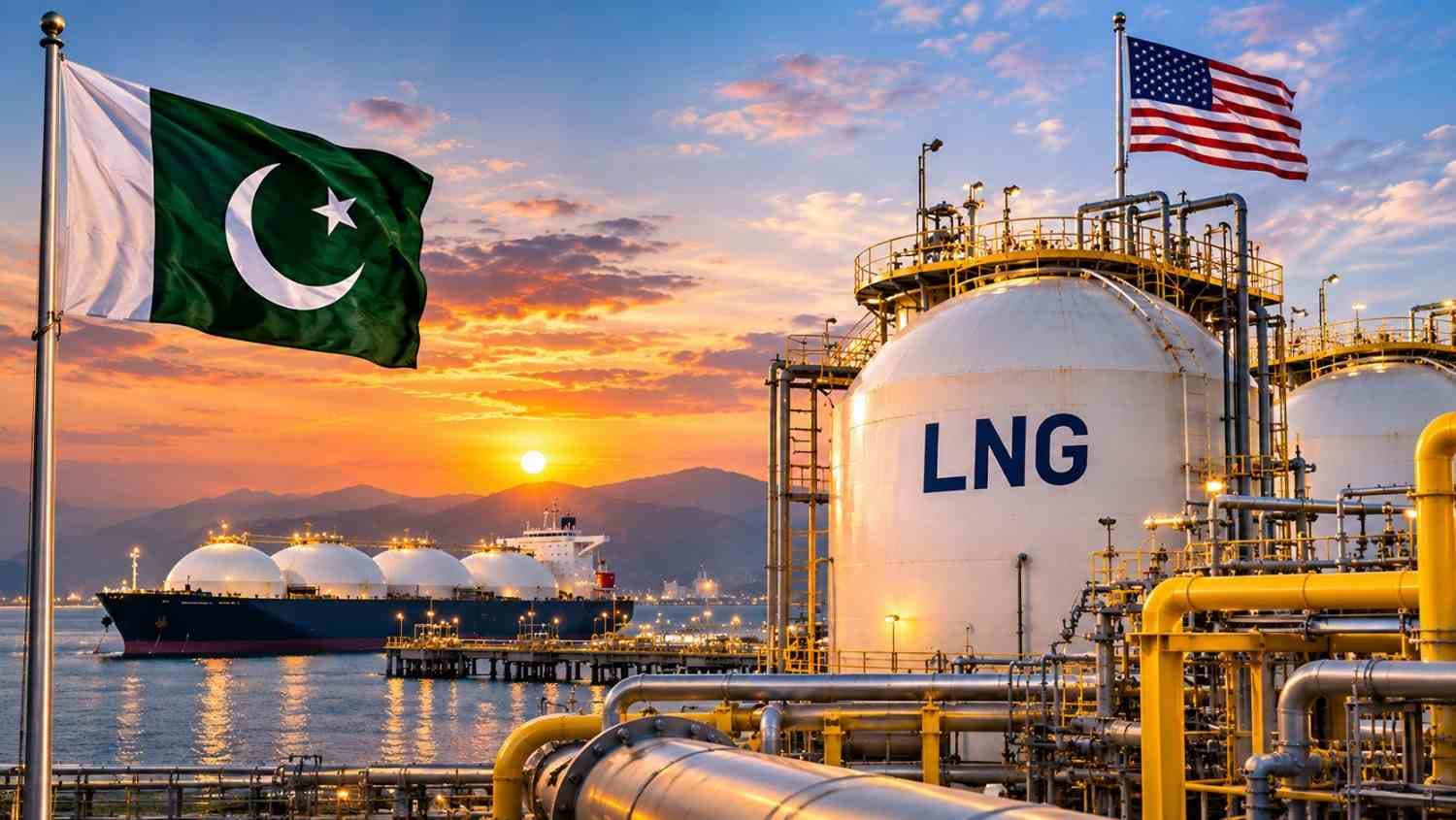
A consortium of US-linked companies is seeking to invest up to $4.4 billion in Pakistan's liquefied natural gas (LNG) infrastructure, proposing an integrated project covering LNG imports, storage, regasification and pipeline transportation.
According to a report published by Dawn on November 2, 2026, the proposed development would establish a major LNG facility at Port Qasim near Karachi, alongside a transmission network connecting the terminal to gas consumers across Pakistan.
The consortium includes Global Vision Energy Partners (GVEP), Khanjee Holdings, Luxembourg-based General Mediterranean Holding and potential international strategic investors.
The project has been described in reporting as receiving support from the US administration, although binding financing commitments from US development institutions have not been announced.
The proposed investment follows the withdrawal of Energas, a venture involving Pakistan's Lucky Group and QatarEnergy, from a similar LNG development.
The earlier project reportedly faced challenges related to changes in Pakistan's energy requirements, regulatory conditions and unresolved fiscal issues.
Key details of the proposed investment:
Total estimated investment: Up to $4.4 billion.
Project location: Port Qasim, Karachi.
Lead companies: Global Vision Energy Partners and Khanjee Holdings.
International partner: General Mediterranean Holding.
Main facilities: LNG import terminal, storage infrastructure and gas transmission pipeline.
Project structure: Two development phases.
Current status: Proposal under development, with regulatory and financing arrangements pending.
According to the reported project documents, the sponsors have obtained consent for the proposed site from the Port Qasim Authority and submitted an application to the Oil and Gas Regulatory Authority (OGRA) for a provisional licence.
A dedicated project company, known as a special purpose vehicle, has also reportedly been established to develop and operate the proposed infrastructure.
These steps indicate progress in project preparation, but they do not mean construction has started or that the entire investment has been formally approved.
2. Proposed LNG Terminal and 1,100-Kilometre Gas Pipeline
The $4.4 billion development is planned in two phases, with the first focused on LNG import, storage and regasification facilities at Port Qasim.
The initial phase carries an estimated investment of $1.7 billion and would include four LNG storage tanks.
Each tank is designed to hold approximately 140,000 cubic metres of liquefied natural gas, providing a combined storage capacity of 560,000 cubic metres.
The facility is expected to support LNG imports and provide storage options that could help Pakistan manage fluctuations in international supply and demand.
The second phase involves constructing a 1,100-kilometre gas transmission pipeline to transport natural gas from the coastal terminal to major consumers in other parts of the country.
The proposed pipeline would have a diameter of approximately 42 to 48 inches and a transportation capacity of around 1.2 billion cubic feet per day.
Together, the two phases would establish an integrated system connecting LNG imports, storage, regasification and domestic gas transportation.
Planned project infrastructure includes:
Phase One: LNG import, storage and regasification terminal.
Phase One investment: Approximately $1.7 billion.
Number of storage tanks: Four.
Combined storage capacity: 560,000 cubic metres.
Phase Two: A 1,100-kilometre gas transmission pipeline.
Pipeline capacity: Approximately 1.2 billion cubic feet per day.
Combined estimated project value: Up to $4.4 billion.
The proposed project would also operate under a commercial model allowing infrastructure services to be offered to multiple customers rather than depending entirely on a single government-backed gas purchaser.
According to the reported proposal, the sponsors have suggested a terminal and storage tariff of $4.93 per million British thermal units (mmBtu), alongside a separate transmission charge of $1.91 per mmBtu for the first 10 years.
These figures remain proposed commercial charges and are not final consumer gas prices. Applicable regulated tariffs would require approval from OGRA.
The final cost of construction will also depend on engineering contracts, equipment procurement, financing arrangements and regulatory approvals.
3. Foreign Investment Could Strengthen Pakistan's Energy Infrastructure
The proposed LNG investment comes as Pakistan seeks to improve energy security, diversify its gas supply options and attract international financing for major infrastructure projects.
Pakistan relies on imported LNG to support parts of its domestic energy requirements, making supply reliability and international market conditions important considerations for economic planning.
The proposed development could help address a major infrastructure gap by introducing substantial dedicated onshore LNG storage capacity.
It could also support Pakistan's ambitions to develop Port Qasim into a regional LNG storage and trading centre serving domestic consumers and international suppliers.
The proposed financing model consists of approximately 70% debt and 30% equity.
According to the reported investment structure, GVEP would hold a 26% ownership stake, General Mediterranean Holding 24%, Khanjee Holdings 20%, international strategic co-investors 20% and Pakistani investors the remaining 10%.
The sponsors are seeking participation from local investors and potential international financial institutions.
The project has reportedly been accepted for consideration under a US Trade and Development Agency project preparation programme. Possible support from other US development financing and export credit institutions has also been discussed.
However, no binding financial commitments from the prospective institutional investors have been publicly confirmed.
Potential benefits for Pakistan include:
Expansion of LNG import and storage infrastructure.
Greater flexibility in managing gas supply disruptions.
Potential foreign direct investment in the energy sector.
Development of a major gas transmission network.
New opportunities for local contractors and infrastructure businesses.
Stronger commercial links with international LNG suppliers.
The possibility of developing Port Qasim as a regional LNG trading hub.
Despite its potential economic significance, the project still faces important hurdles.
These include finalising investment agreements, securing regulatory approvals, confirming commercial demand and arranging the financing required for construction.
The reported withdrawal of the earlier Energas venture also highlights the importance of regulatory clarity and stable investment conditions.
For Pakistan, the success of the proposed development will depend on whether the consortium can convert its investment plans into binding agreements and an operational infrastructure project.
If completed, the development could become a significant addition to Pakistan's energy network. However, its potential benefits should be assessed against actual project costs, commercial viability and the country's future gas demand.
Editor's Note
Radar Pakistan will continue monitoring the proposed $4.4 billion LNG investment, including regulatory approvals, financing commitments and construction developments. The reported investment remains at the proposal stage and should not be interpreted as a finalised agreement or completed foreign investment. Further updates will be published as official information becomes available.