1. Iran Rules Out Immediate US Talks as Pakistan Pursues Diplomatic Mediation
Iran has told Pakistan's Field Marshal Asim Munir that negotiations with the United States cannot resume until Tehran's key demands are addressed, underscoring the challenges facing renewed diplomatic efforts to reduce tensions in the Middle East.
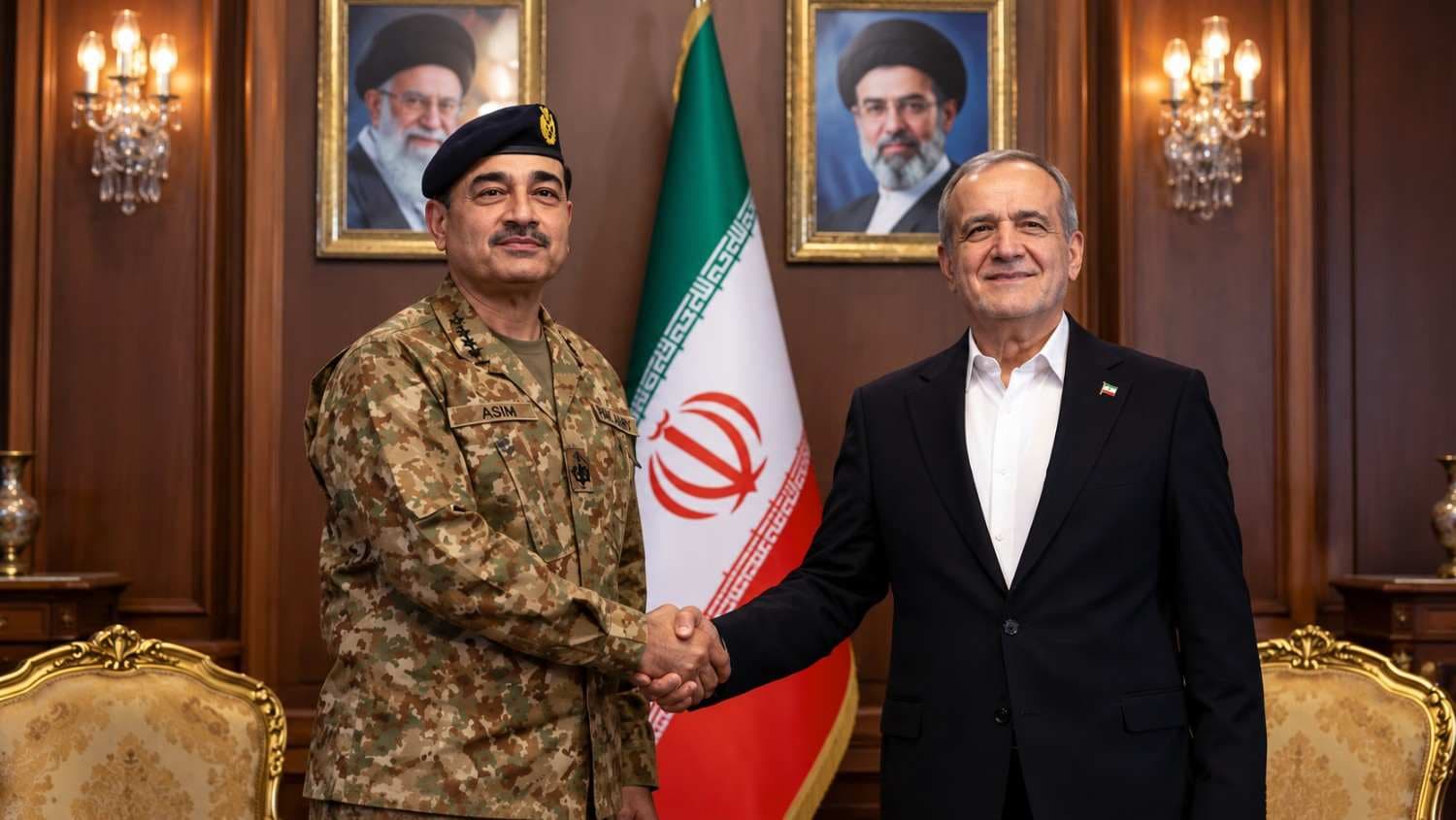
During a visit to Tehran on Tuesday, October 20, 2026, Munir held discussions with senior Iranian officials, including President Masoud Pezeshkian, parliamentary speaker Mohammad Baqer Qalibaf, and senior security official Mohsen Rezaei.
According to Reuters, citing Iranian media and official accounts, the meetings focused on regional security, ongoing mediation efforts, and the conditions Iran considers necessary for renewed engagement with Washington.
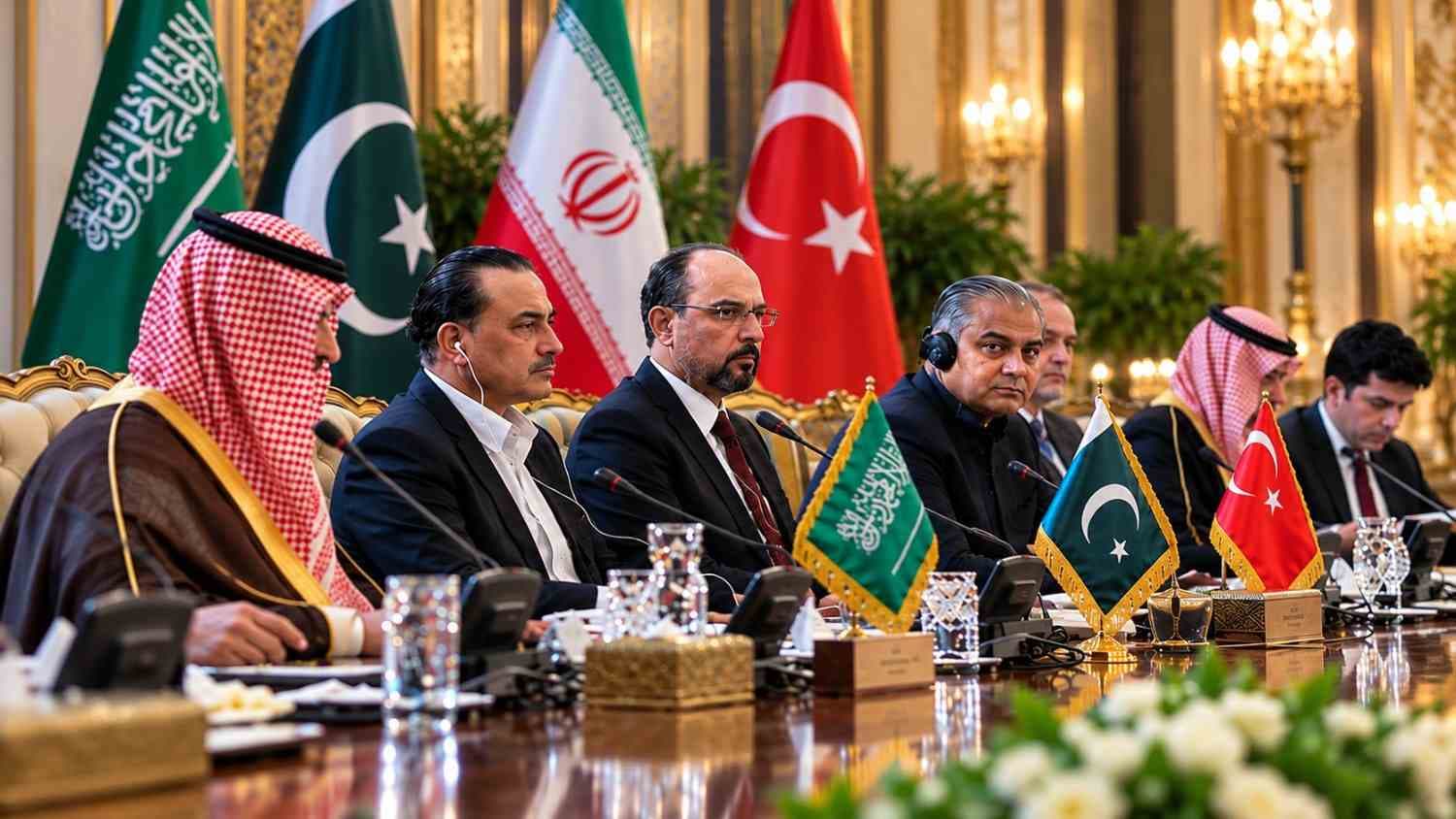
The discussions come as Pakistan continues to serve as an intermediary between Iran and the United States, seeking to preserve diplomatic communication despite continuing military and political tensions.
Iranian officials maintained that Washington must address Tehran's demands before meaningful negotiations can move forward.
Key developments from the Tehran meetings include:
High-level diplomatic engagement: Field Marshal Asim Munir met Iranian President Masoud Pezeshkian and other senior officials.
Iran's negotiating position: Tehran reiterated that progress on its conditions is necessary before talks can resume.
Sanctions relief: Iran demanded the removal of US restrictions affecting its oil exports.
Maritime restrictions: Iranian officials called for an end to the US blockade of Iranian ports.
Regional security: Tehran sought an end to hostilities across regional conflict zones.
Pakistan's mediation: Islamabad continued diplomatic engagement aimed at facilitating dialogue between Iran and the United States.
During his meeting with Munir, Qalibaf also referred to seven conditions previously presented by Iran in connection with reopening the Strait of Hormuz.
According to the Iranian account cited by Reuters, Tehran considers those conditions essential to rebuilding confidence with Washington.
The statements indicate that significant differences remain between the two countries, with Iran linking renewed negotiations to changes in US economic and security policies.
Although diplomatic contacts have continued through intermediaries, no new comprehensive agreement was announced following the Tehran meetings.
2. Nuclear Dispute and Regional Security Remain Major Obstacles to Peace
The disagreement between Iran and the United States extends beyond economic sanctions and maritime restrictions, with nuclear policy remaining a central issue in the diplomatic dispute.
Washington has continued pressing Iran to significantly reduce its uranium enrichment activities, while Tehran maintains that its nuclear programme is intended for peaceful purposes.
Western governments have repeatedly expressed concerns about the potential military implications of Iran's enrichment capabilities, allegations that Iranian authorities reject.
According to Reuters, Iranian security official Mohsen Rezaei reiterated Tehran's position that its enriched nuclear material would remain inside the country.
The statement reflects a major point of disagreement with Washington, which has sought stronger restrictions on Iran's nuclear activities.
The diplomatic deadlock has been complicated by renewed regional hostilities and threats to important international shipping routes.
The Strait of Hormuz remains particularly significant because it connects the Persian Gulf with international maritime routes and plays an essential role in global energy transportation.
Disruptions affecting the waterway have contributed to uncertainty in international oil markets and raised concerns among energy-importing countries.
Major challenges facing renewed negotiations include:
Nuclear enrichment: Differences over uranium enrichment limits, nuclear material management, and verification requirements.
Economic sanctions: Iran's demand for relief from restrictions affecting its petroleum exports and wider economy.
Maritime security: Disagreements concerning the blockade of Iranian ports and access to international shipping routes.
Regional hostilities: Continuing military confrontations that complicate diplomatic engagement.
Mutual confidence: Limited trust between Tehran and Washington following the breakdown of earlier negotiations.
Agreement implementation: The need for credible arrangements to ensure that any future commitments are upheld.
These issues remain closely connected, making a comprehensive diplomatic settlement difficult without substantial negotiations and concessions.
The latest meetings also follow the collapse of an earlier interim peace arrangement reached through diplomatic efforts involving Pakistan.
Reuters reported that the Islamabad Memorandum, agreed in June 2026, lost momentum after renewed fighting between Iran and the United States in the following weeks.
The failure of that arrangement illustrates the difficulties facing mediators attempting to establish a lasting agreement.
Despite these obstacles, diplomatic communication remains important for reducing the risk of further escalation and creating opportunities for renewed negotiations.
3. Pakistan’s Mediation Role Gains Importance Amid Middle East Tensions
Pakistan's continued diplomatic engagement with Iran and the United States highlights Islamabad's role in efforts to address one of the most significant security challenges facing the Middle East.
As a neighbouring country of Iran, Pakistan has direct interests in regional stability, border security, energy supplies, and the continuation of international trade.
The country also maintains diplomatic relationships with major regional and international stakeholders, placing it in a position to facilitate communication between governments whose direct relations remain strained.
Field Marshal Asim Munir's meetings in Tehran represent another stage in Pakistan's efforts to encourage dialogue and prevent further deterioration in regional security.
However, the effectiveness of these efforts ultimately depends on the willingness of Iran and the United States to address their differences through negotiations.
The economic implications of continued instability are also significant.
International oil markets remain sensitive to developments involving Iran, particularly because of security concerns surrounding the Strait of Hormuz and nearby energy infrastructure.
Reuters reported on October 21 that regional tensions continued to influence energy markets, while Gulf stock markets faced pressure as diplomatic progress remained uncertain.
For Pakistan, prolonged instability could create additional challenges through higher energy import costs, transportation expenses, and uncertainty in regional trade.
Pakistan's diplomatic involvement has several important dimensions:
Regional peace: Supporting efforts to reduce military escalation and encourage negotiated solutions.
Foreign relations: Maintaining communication with Iran, the United States, and other regional stakeholders.
Border stability: Promoting a more secure environment along the Pakistan-Iran border.
Energy security: Reducing the risk of disruptions affecting international petroleum supplies.
Economic interests: Protecting trade and transportation networks from the consequences of prolonged conflict.
Diplomatic credibility: Demonstrating Pakistan's ability to contribute constructively to international conflict-resolution efforts.
Pakistan's position as an intermediary does not guarantee a diplomatic breakthrough, particularly while the negotiating positions of Tehran and Washington remain far apart.
Nevertheless, maintaining channels of communication could help prevent misunderstandings and provide a foundation for future discussions.
The latest statements from Iranian officials suggest that Tehran is maintaining its demands concerning sanctions, maritime restrictions, and regional hostilities.
The United States, meanwhile, continues to emphasize restrictions on Iran's nuclear activities as a central element of any potential settlement.
These competing positions leave the prospects for renewed negotiations uncertain.
For now, Pakistan's diplomatic efforts remain an important part of the wider international attempt to reduce tensions and encourage a peaceful resolution.
Further developments will depend on whether the parties demonstrate sufficient flexibility to move beyond their existing disagreements and establish a credible framework for negotiations.
Editor's Note
Radar Pakistan remains committed to accurate, independent, and responsible coverage of developments affecting Pakistan and the international community. We will continue monitoring Pakistan's diplomatic engagement, Iran-US relations, official government statements, and regional security developments, providing verified updates as the situation evolves.