1. Four Countries Hold High-Level Security Talks in Tehran
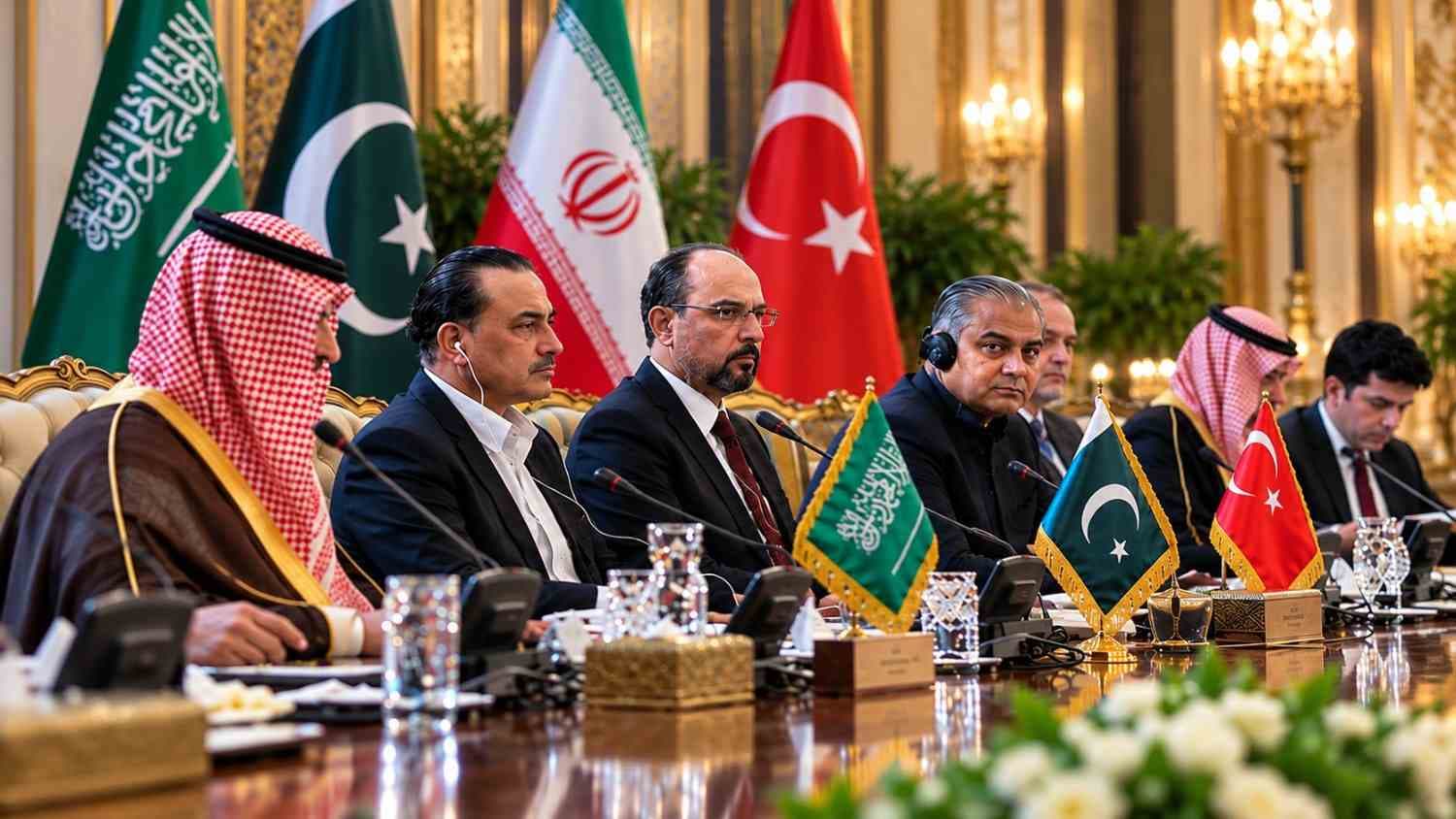
Senior officials from Iran, Pakistan, Saudi Arabia and Türkiye met in Tehran on Monday, October 26, 2026, to discuss regional security, diplomatic cooperation and efforts to prevent further conflict in the Middle East.
The meeting brought together senior defence, intelligence and security representatives amid renewed concerns about tensions involving Iran, Israel and the United States.
According to Anadolu Agency, the talks were hosted by Mohsen Rezaei, secretary of Iran's Supreme National Security Council.
The meeting included the following senior representatives:
Iran: Mohsen Rezaei, secretary of the Supreme National Security Council.
Pakistan: Field Marshal Asim Munir, Chief of Army Staff.
Saudi Arabia: Prince Khalid bin Salman, Minister of Defence.
Türkiye: Ibrahim Kalin, director of the National Intelligence Organization.
Iranian President Masoud Pezeshkian and Foreign Minister Abbas Araghchi also participated in the discussions.
The gathering represented an important diplomatic engagement between Iran and three regional countries seeking to strengthen dialogue during a period of heightened uncertainty.
2. Iran Says Regional Security Should Be Free From Outside Interference
Following the meeting, Iranian security chief Mohsen Rezaei said the participants supported a regional approach to security that would reduce dependence on external powers.
Rezaei stated that West Asian countries should take primary responsibility for maintaining peace and stability in their region.
He also described cooperation among Iran, Pakistan, Saudi Arabia and Türkiye as a potential way to address regional crises.
Anadolu Agency reported that the four countries agreed to continue consultations on regional peace and security.
The discussions addressed several major issues:
Regional security and preventing further military escalation.
The consequences of the conflict involving Iran, Israel and the United States.
Developments in Palestine and Lebanon.
Israeli military activities and their implications for regional stability.
Opportunities for closer diplomatic and security coordination.
Iranian Foreign Ministry spokesperson Esmaeil Baqaei described the meeting as a possible starting point for a regional security framework based on shared interests.
However, the discussions should not be interpreted as the announcement of a new four-country military alliance. The publicly reported outcome focused on continued dialogue and cooperation rather than a binding collective defence agreement.
3. Pakistan's Diplomatic Role and the Importance of Regional Stability
Pakistan's participation highlighted Islamabad's continuing involvement in diplomatic efforts to reduce tensions between Iran and other regional powers.
The Tehran meeting followed consultations among Pakistan, Saudi Arabia, Türkiye and Egypt in Istanbul on October 23, 2026.
During those earlier talks, the participating foreign ministers emphasized diplomacy, de-escalation and the importance of protecting maritime navigation and international trade routes.
The wider regional situation has become increasingly important because instability in the Middle East can affect energy markets, international shipping, investment and economic confidence.
For Pakistan, maintaining constructive relations with neighbouring Iran, Saudi Arabia and Türkiye is important for both national security and economic interests.
The four-country talks could contribute to future diplomatic coordination, although several challenges remain.
These include ongoing military tensions, differing national security priorities and disagreements over the role of outside powers in the region.
Why the meeting matters:
It creates an opportunity for direct security dialogue between four influential regional countries.
It reinforces diplomatic efforts to prevent another escalation in the Middle East.
It gives Pakistan a platform to support regional cooperation.
It highlights concerns about the safety of trade routes and energy supplies.
It opens the possibility of further discussions on a regional security framework.
The countries agreed to maintain consultations, but no comprehensive regional security agreement was announced.
The next significant development will be whether the discussions lead to further diplomatic meetings or practical confidence-building measures.
Editor's Note
Radar Pakistan will continue monitoring diplomatic developments involving Iran, Pakistan, Saudi Arabia and Türkiye, including any future meetings, official statements or agreements. This report distinguishes the four countries' commitment to continued cooperation from Iran's stated position on preventing foreign interference in regional security.