1. IMF Forecasts Regional Economic Decline as Iran War Disrupts Trade and Energy
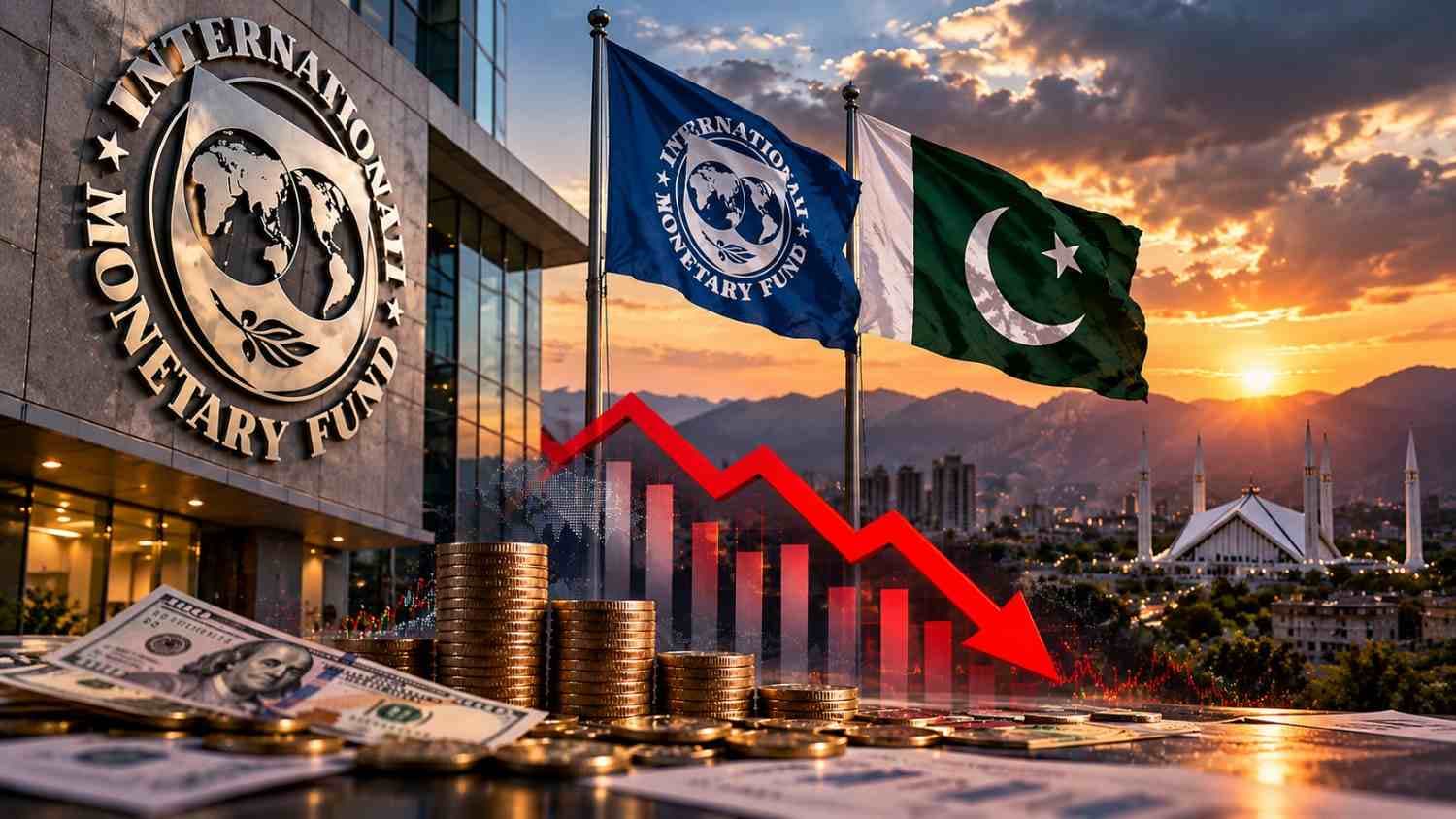
The International Monetary Fund (IMF) has warned that the economic consequences of the ongoing conflict involving Iran are expected to significantly affect the Middle East, North Africa and Pakistan during 2026.
According to a Reuters report published on October 22, the IMF projects that economic output across its Middle East, North Africa and Pakistan regional grouping will contract by approximately 1.3% this year.
The forecast reflects the extensive disruption caused by military hostilities, particularly to energy production, international shipping, tourism and trade.
The conflict has placed additional pressure on economies already facing challenges related to inflation, public finances and international financial conditions.
The IMF's assessment indicates that the economic impact extends beyond countries directly involved in military operations.
Businesses and households across the wider region are exposed to disruptions in fuel supplies, transportation networks and international commercial activity.
The forecast is especially significant because the region includes major oil and gas producers whose energy exports support markets around the world.
When energy production or shipping routes are interrupted, the resulting effects can spread quickly through global supply chains.
Key findings from the IMF outlook include:
Regional contraction: The IMF forecasts a 1.3% decline in economic output across the Middle East, North Africa and Pakistan grouping in 2026.
Energy disruptions: Conflict-related interruptions have affected oil and gas production and transportation.
Trade pressures: Shipping difficulties and uncertainty have increased risks for regional commerce.
Tourism losses: Travel-related activity has suffered in economies affected by security concerns.
Uneven national impacts: Countries face different economic outcomes depending on their exposure to the conflict.
Recovery uncertainty: The IMF anticipates improvement in 2027, although the outlook remains highly uncertain.
Importantly, the 1.3% contraction is a forecast for the broader regional grouping. It does not mean that Pakistan's economy alone is projected to shrink by 1.3%.
The IMF's regional projections combine economies with substantially different economic structures, energy resources and exposure to the conflict.
Consequently, the impact on each country will depend on domestic economic conditions and the duration of the disruption.
2. Why the Economic Warning Matters for Pakistan
Pakistan is particularly sensitive to developments in international energy markets because it depends on imported petroleum and other energy supplies.
When global oil and gas markets experience significant disruption, the consequences can affect fuel prices, electricity generation costs, transportation expenses and the wider cost of living.
The IMF's latest regional warning therefore carries important implications for Pakistani consumers, businesses and policymakers.
Higher energy costs can increase operating expenses for manufacturers and transportation companies, while also placing pressure on household budgets.
International shipping disruptions may further complicate imports and exports, especially when freight rates rise or important maritime routes face restrictions.
These developments can affect the competitiveness of Pakistani businesses and increase uncertainty for companies planning investment or expansion.
However, the IMF's regional forecast should not be interpreted as a separate prediction of Pakistan's national economic growth rate.
The actual effect on Pakistan will depend on factors including international commodity prices, exchange-rate movements, government policies and the country's external financing position.
Potential economic risks for Pakistan include:
Fuel prices: Volatility in international oil markets could influence domestic petroleum costs.
Electricity expenses: Energy import costs may affect power generation and pricing.
Inflation: Higher transportation and production expenses could contribute to consumer price pressures.
Trade: Shipping disruptions may increase the cost and delivery time of imported goods.
Industry: Manufacturers could face higher input costs and supply-chain uncertainty.
Household finances: Rising essential expenses could reduce consumers' purchasing power.
Pakistan's economic outlook is also influenced by remittances from overseas workers, particularly those employed in Gulf countries.
Economic weakness in host countries could create risks for employment and household income flows, although the extent of any impact would depend on conditions in individual labour markets.
At the same time, remittances may help support external balances and domestic spending.
The IMF has noted that policy responses and other sources of external income can provide some protection for energy-importing economies.
For Pakistan, maintaining economic stability amid these conditions will require careful management of energy costs, public finances and external payments.
3. IMF Expects Recovery in 2027 but Warns of Continuing Economic Risks
Despite the sharp deterioration in the regional economic outlook, the IMF expects economic activity to recover in 2027 if the conflict begins to ease and international trade gradually returns to normal.
According to the IMF's latest regional outlook, economic growth across the Middle East, North Africa and Pakistan grouping could reach 6.6% in 2027, following the projected 1.3% contraction in 2026.
However, the Fund warned that the recovery would not necessarily restore economic output to the levels previously anticipated before the conflict.
The forecast assumes that hostilities will diminish in early 2027 and that disrupted commercial activity will gradually recover.
A longer conflict could weaken the outlook further, particularly if additional energy production facilities or shipping networks are affected.
The IMF also warned that tighter international financial conditions could increase pressure on economies already facing inflation and fiscal challenges.
The economic impact is expected to vary considerably across countries.
Some Gulf economies are facing particularly severe downturns because of interruptions to energy exports, while oil-importing countries have shown greater resilience in certain areas.
According to the IMF, Bahrain, Kuwait, Qatar and Iraq are among the countries expected to experience double-digit economic contractions in 2026.
Saudi Arabia and the United Arab Emirates are also projected to enter recession, although their circumstances differ from those of more heavily disrupted economies.
Major factors that could influence the recovery include:
Duration of the conflict: A prolonged war could delay the restoration of normal economic activity.
Energy production: Recovery in oil and gas output will be important for exporting countries.
International shipping: More stable maritime routes could reduce transportation costs and supply disruptions.
Inflation control: Stable prices would help protect household purchasing power.
Government finances: Sustainable fiscal policies could strengthen economic resilience.
Private investment: Improved security and economic confidence could encourage business expansion.
The IMF has urged policymakers to prioritise price stability, maintain sustainable public finances, protect central bank independence and implement reforms supporting productivity and employment.
For Pakistan, these recommendations highlight the importance of managing external economic pressures while maintaining domestic financial stability.
The outlook also underscores the connection between geopolitical developments and everyday economic conditions.
Decisions affecting military operations, energy infrastructure and international shipping can influence the cost of fuel, goods and services far beyond the immediate conflict zone.
While the IMF anticipates stronger regional growth in 2027, the timing and strength of that recovery remain uncertain.
The latest forecast therefore serves as a warning that the economic consequences of the Iran war could continue even after immediate security conditions improve.
Editor's Note
Radar Pakistan will continue monitoring the International Monetary Fund's economic forecasts, developments in the Middle East, and their implications for Pakistan. Our coverage will focus on verified economic indicators, energy prices, international trade and policy developments affecting businesses and households.