1. Pakistan Announces November 15 Deadline for Government Cheque Payments
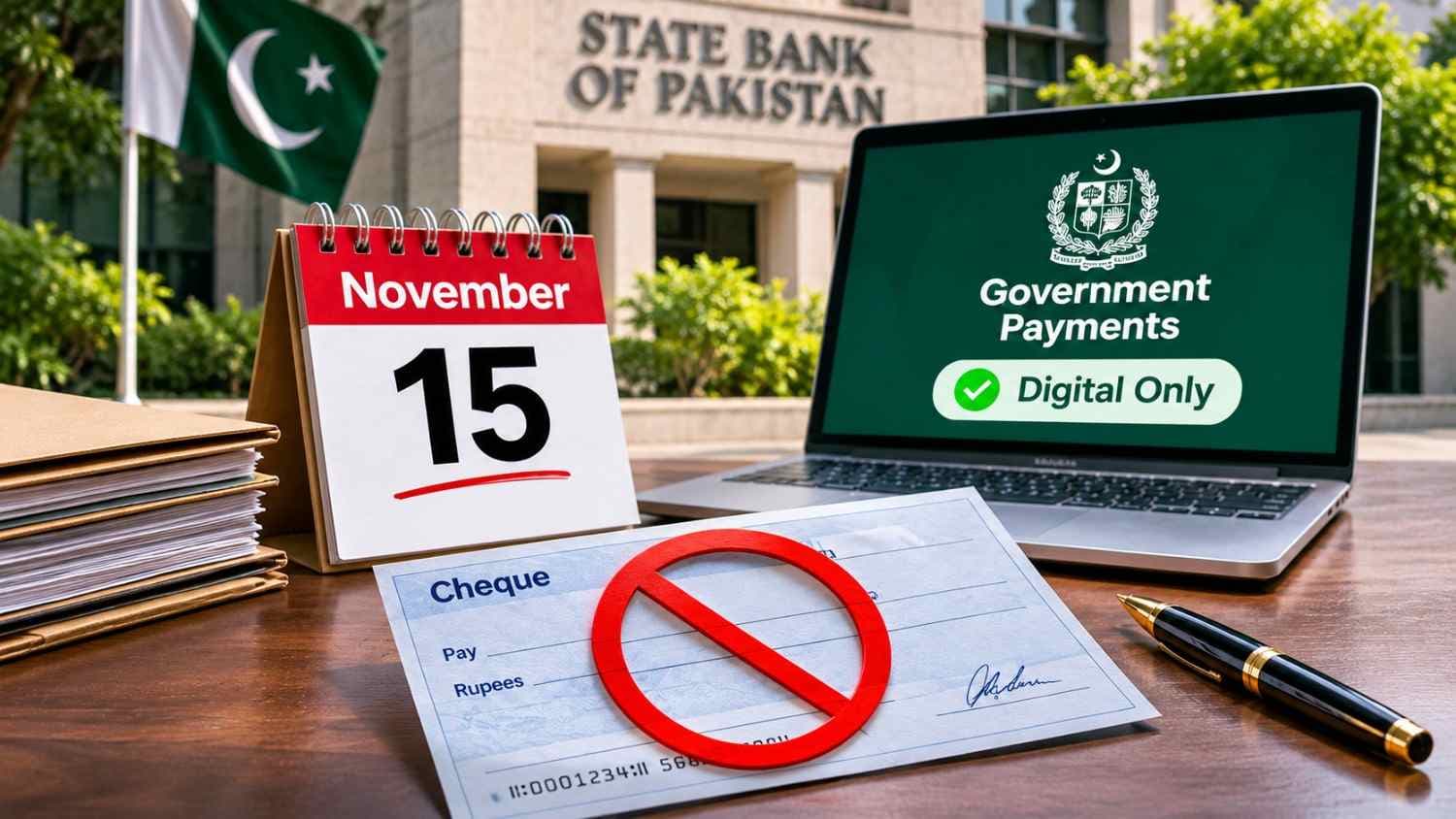
The federal government has announced that cheque-based payments through Asaan Assignment Accounts (AAA) will be discontinued from November 15, 2026, as Pakistan accelerates its transition towards digital financial transactions.
From November 16, payments under these accounts will be processed through Raast, the instant payment system operated by the State Bank of Pakistan (SBP).
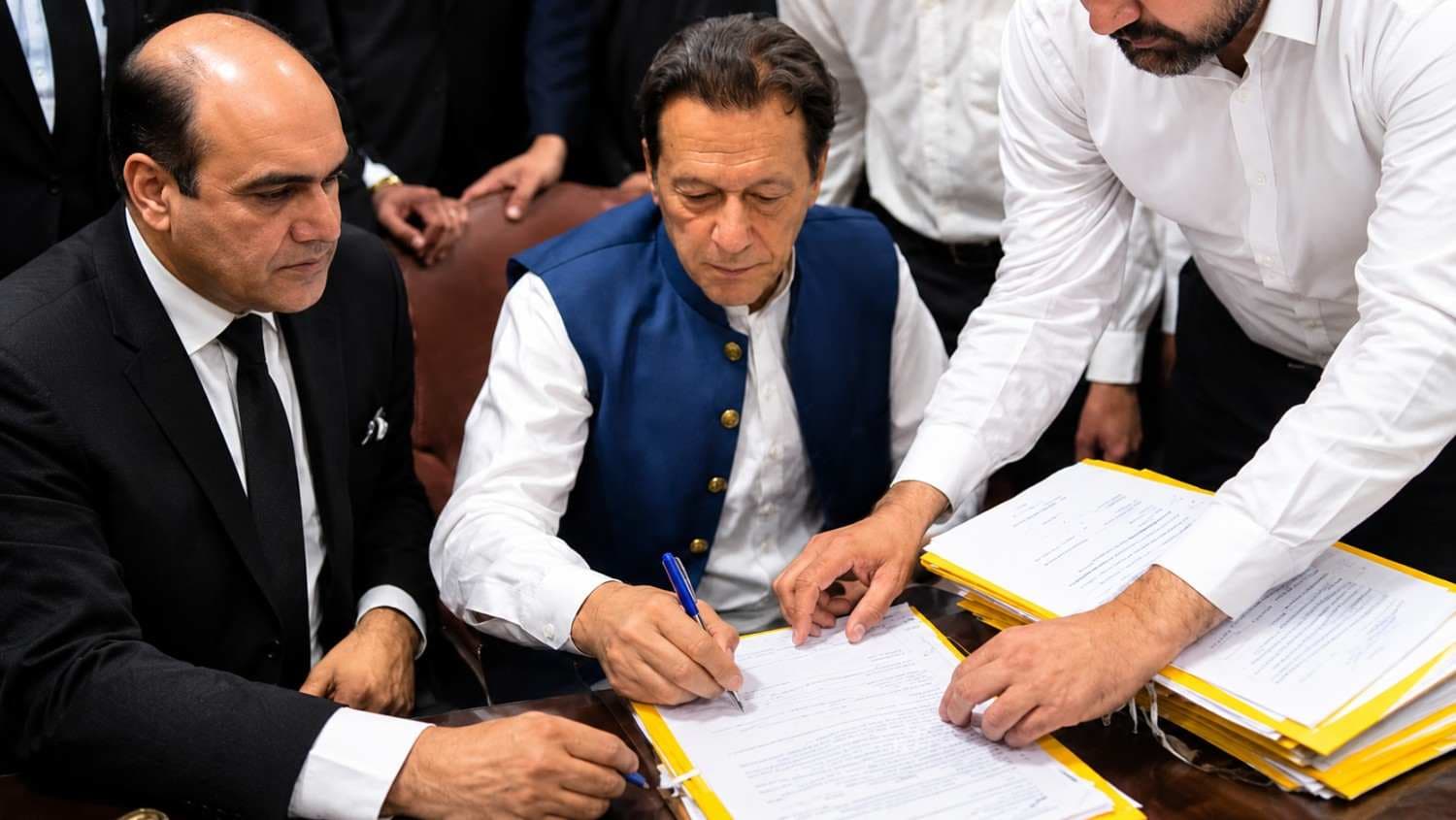
The decision was announced during a high-level meeting chaired by Prime Minister Shehbaz Sharif in Islamabad on November 6, 2026.
The meeting reviewed the government's progress in promoting cashless transactions and expanding digital payment facilities across federal and provincial institutions.
Officials informed the prime minister that the relevant Drawing and Disbursing Officers (DDOs), responsible for managing government payments, had already received training to operate the new system.
The measure aims to reduce reliance on traditional payment procedures and improve the efficiency of government financial operations.
Key details of the announcement include:
Announcement date: November 6, 2026.
Cheque payment discontinuation: November 15, 2026.
Digital payment transition: November 16, 2026.
Affected accounts: Government Asaan Assignment Accounts.
New payment platform: State Bank of Pakistan's Raast system.
Responsible departments: Relevant government institutions and authorised payment officers.
Staff training: Completed for the concerned Drawing and Disbursing Officers.
Broader government target: Digitisation of payments in most federal and provincial institutions by December 2026.
Asaan Assignment Accounts are designated public-sector accounts used to manage authorised government expenditures, including development and non-development spending.
The new arrangement will replace cheque-based transactions within this specified system with electronic transfers.
However, the decision does not mean that all bank cheques in Pakistan will become invalid after November 15.
Personal cheques, business cheques and other banking instruments are not covered by a general nationwide prohibition under this announcement.
The distinction is important because misleading interpretations of the new policy could create unnecessary confusion among banking customers.
2. Raast Digital Payment System to Replace Cheques in Affected Government Accounts
The transition to Raast represents another major step in Pakistan's effort to modernise financial transactions and reduce administrative dependence on physical payment instruments.
Raast is Pakistan's national instant payment system, developed and operated by the State Bank of Pakistan to facilitate electronic transfers between individuals, businesses and government institutions.
The platform supports digital payments through participating banks and regulated financial service providers.
Unlike traditional cheques, which generally require clearing and verification procedures, Raast is designed to transfer funds electronically in real time.
By introducing Raast for payments through Asaan Assignment Accounts, the government aims to streamline financial operations and strengthen the documentation of transactions.
The move could also reduce the administrative burden associated with issuing, transporting, depositing and processing paper cheques.
Potential benefits of the transition include:
Faster transactions: Electronic transfers can reduce delays associated with cheque clearing.
Greater transparency: Digital records can improve the traceability of government payments.
Reduced paperwork: Departments may rely less on physical payment documents.
Improved efficiency: Automated payment processes can simplify routine financial operations.
Stronger accountability: Electronic transaction records may support financial monitoring and audits.
Modernised public services: Government institutions can increasingly use established digital banking infrastructure.
According to the State Bank, Raast supports several payment categories, including bulk transfers, person-to-person payments and transactions involving merchants.
Its infrastructure is designed to support efficient and secure financial transfers through participating institutions.
However, successful implementation of the government's new arrangement will depend on reliable banking systems, accurate beneficiary information, effective staff training and appropriate operational controls.
Authorities have not publicly provided detailed instructions covering every pending cheque or payment that may be affected during the November 15–16 transition.
Government departments and individuals expecting payments through Asaan Assignment Accounts should therefore consult the relevant financial office for transaction-specific guidance.
3. Government Targets Wider Digital Payment Reforms by December 2026
The move away from cheque-based payments is part of a wider government initiative to promote a cashless economy across Pakistan.
During the November 6 meeting, Prime Minister Shehbaz Sharif directed the authorities to prepare a clear roadmap with measurable targets and implementation deadlines for expanding digital payments nationwide.
Officials informed the meeting that digitisation was progressing across federal and provincial government institutions.
According to the government briefing, most institutions are expected to complete the transition towards digital payments by December 2026.
The meeting also highlighted progress under the Benazir Income Support Programme (BISP).
Officials stated that all payments under BISP were being made through digital wallets, reflecting the government's efforts to expand electronic disbursement systems.
The prime minister further directed relevant departments to promote Raast QR code payments between consumers and merchants.
He called for increased public awareness to encourage electricity and gas consumers to pay utility bills using QR codes printed on their bills.
Other government digital payment initiatives include:
Expanding digital transactions across public-sector institutions.
Promoting Raast QR code payments for consumers and businesses.
Encouraging electronic payment of electricity and gas bills.
Strengthening internet infrastructure across Pakistan.
Improving access to digital financial services.
Addressing problems faced by users of electronic payment systems.
Developing payment solutions for areas with limited internet connectivity.
The prime minister stressed that wider internet access and easier availability of technology were essential for achieving the government's digital economy objectives.
Officials acknowledged that connectivity problems remain an important challenge, particularly in remote and underserved areas.
The government is therefore exploring additional digital payment arrangements for locations where internet access is limited or unavailable.
The wider transition could improve financial efficiency and transparency, but its success will depend on implementation, accessibility and the reliability of digital infrastructure.
For ordinary banking customers, the most important clarification remains that the November 15 deadline specifically concerns cheque-based payments through government Asaan Assignment Accounts.
The announcement does not establish a nationwide ban on private or commercial cheques.
Pakistan's financial system will continue to support multiple payment channels while the government gradually expands the use of digital transactions.
The November 16 transition will be an important test of the government's ability to modernise public-sector payment procedures while maintaining reliable financial services.
Editor's Note
Radar Pakistan will continue monitoring the transition from cheque-based payments to the Raast system, including official implementation instructions, government department readiness and further digital payment reforms. The announced November 15 deadline applies to cheque payments through Asaan Assignment Accounts and should not be interpreted as a nationwide ban on personal or business cheques. Additional updates will be published as authorities release further information.