While the government continues to manage the Prime Minister’s Fuel Relief Scheme which has extended support to millions of citizens amid steep energy costs authorities face tough fiscal boundaries as they balance public relief with international economic targets.
1. The Fiscal Burden of Fuel Subsidies
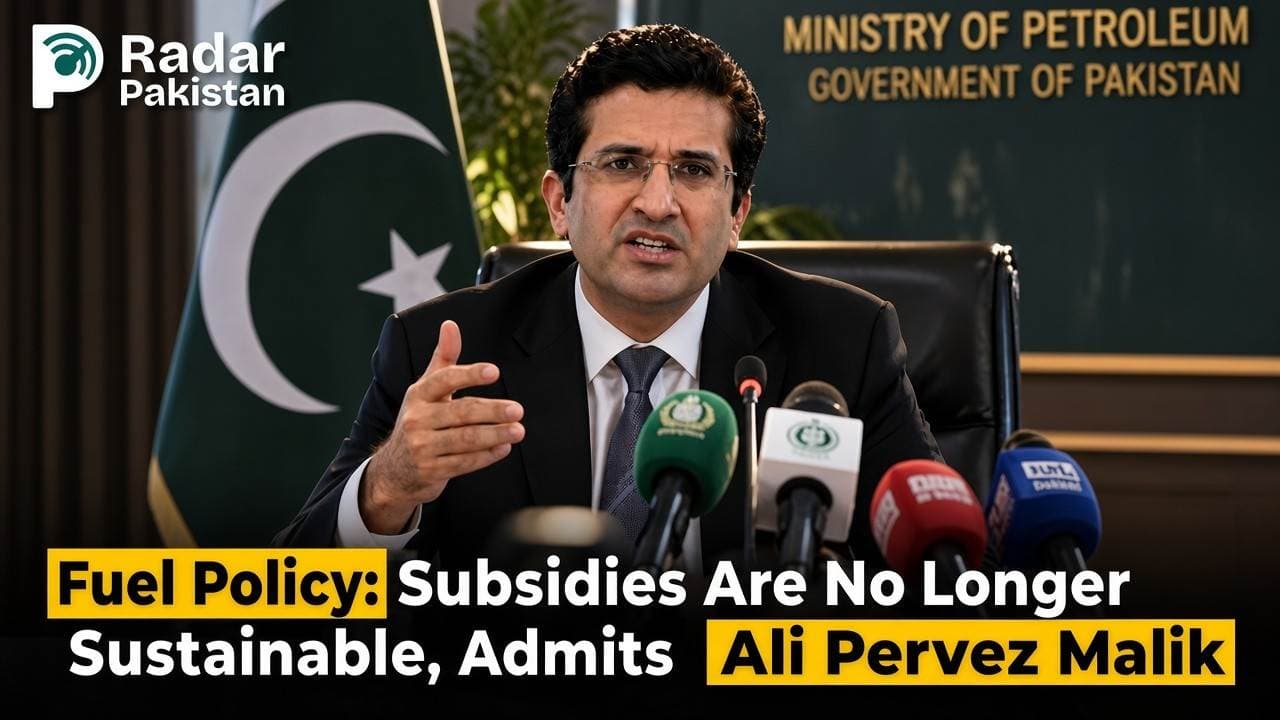
Addressing media briefings regarding energy pricing and resource allocation, the Petroleum Minister highlighted the immense pressure high oil prices place on the national exchequer.
Monthly Outlays: The ongoing relief framework requires substantial capital ranging between Rs. 35 billion and Rs. 40 billion monthly to provide targeted relief of up to Rs. 100 per litre for qualifying segments.
Long-Term Fiscal Reality: While short-term relief measures like the PM Fuel Relief Scheme have expanded to cover over 9 million citizens, officials maintain that blanket or long-term unconditional subsidies severely drain fiscal space needed for developmental growth.
2. Managing Supply and Market Stability
Despite discussions surrounding fiscal limitations, the Ministry emphasized that administrative safeguards remain active to protect consumers from domestic shortages.
Steady Inventories: The government confirmed that petroleum supply chains are being closely monitored to prevent artificial shortages or hoarding.
Targeted Assistance: Future interventions are increasingly focused on directly supporting vulnerable lower-income groups rather than broad market-wide price caps that strain public finances.