
1. PTA Chairman Reveals Pakistan's Massive YouTube and WhatsApp Usage
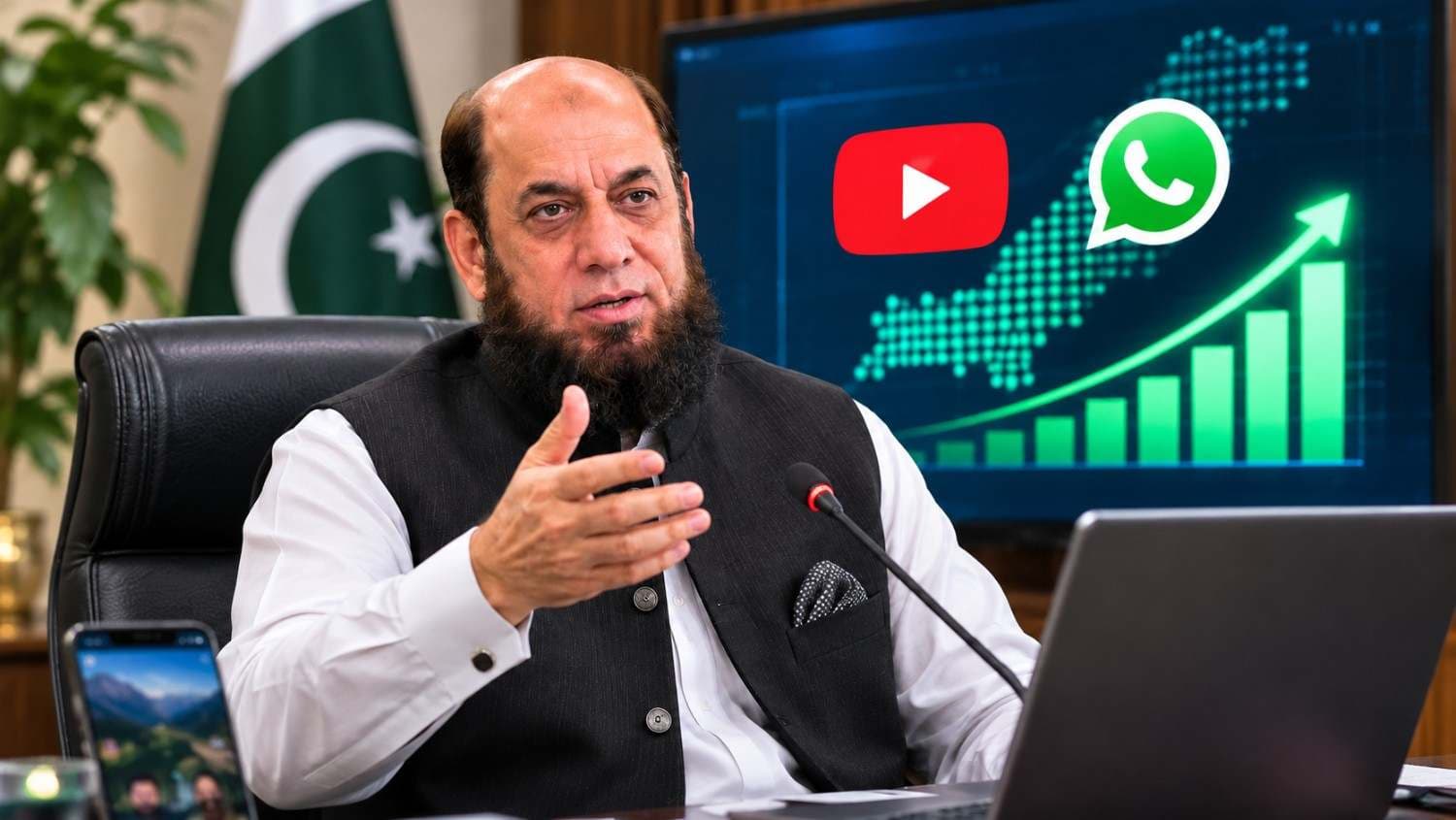
Pakistanis watch approximately 560 million YouTube videos every day and make around one billion WhatsApp calls, according to figures presented by Pakistan Telecommunication Authority (PTA) Chairman Major General (retd) Hafeez Ur Rehman.
The figures were shared during a meeting of the National Assembly Standing Committee on Information Technology and Telecommunication, held at Parliament House in Islamabad on November 3, 2026.
The meeting was chaired by Member of the National Assembly Syed Amin ul Haq and focused on Pakistan's digital connectivity, social media usage and telecommunications services.
During the briefing, the PTA chairman said approximately 96 million people in Pakistan use YouTube, with daily video views reaching 560 million.
He also claimed that Pakistan ranks first globally in YouTube video consumption.
However, the international ranking has not been independently verified through publicly available platform data or a disclosed methodology.
The chairman further reported that WhatsApp has approximately 100 million user accounts in Pakistan, with daily activity reaching around one billion calls and 12 billion messages.
Key figures presented during the briefing:
YouTube users: Approximately 96 million.
Daily YouTube video views: 560 million.
WhatsApp accounts: Approximately 100 million.
Daily WhatsApp calls: Around one billion.
Daily WhatsApp messages: Approximately 12 billion.
TikTok accounts: Approximately 100 million.
Reported TikTok audience: Around 150 million, with the measurement method unspecified.
These figures demonstrate the scale of digital platform activity reported by the telecom regulator.
However, the numbers should be interpreted carefully.
The 560 million YouTube figure refers to video views rather than 560 million individual viewers. Similarly, the reported number of WhatsApp calls represents overall activity, not the number of people making calls.
The publicly available reports do not explain whether the estimates were obtained directly from platform operators, telecommunications data or other research.
Independent confirmation of the figures remains unavailable.
2. Rising Social Media and AI Usage Increases Pressure on Internet Services
The PTA chairman's briefing came as Federal Minister for Information Technology and Telecommunication Shaza Fatima Khawaja highlighted the growing demand for internet services across Pakistan.
According to the minister, increased use of social media platforms and artificial intelligence applications has significantly increased data consumption.
Millions of Pakistanis rely on online services for communication, education, entertainment, business and professional activities.
YouTube has become an important platform for entertainment, educational content, tutorials and digital creators.
WhatsApp is widely used for personal communication, business coordination and customer support, while TikTok continues to attract users interested in short-form video content.
As activity on these platforms expands, telecommunications networks face greater demand for reliable connectivity and sufficient data capacity.
The government has been working to expand advanced mobile broadband infrastructure, including fifth-generation (5G) services.
During the committee meeting, officials discussed the ongoing expansion of 5G infrastructure and efforts to improve existing mobile networks.
However, the growth in digital activity has also brought attention to the challenges faced by mobile users, particularly those experiencing slow internet speeds and frequent service interruptions.
Major factors increasing demand for internet services include:
Greater consumption of online video content.
Increased use of WhatsApp calls and messaging.
Rising popularity of short-form video platforms.
Expansion of artificial intelligence applications.
Growth in online education and remote work.
Increased reliance on digital commerce and communication.
Greater demand for high-speed mobile broadband.
The latest figures also highlight opportunities for Pakistan's digital economy.
A large online audience can support content creators, digital advertisers, technology businesses and online service providers.
However, the economic benefits of rising internet usage will depend on improvements in network reliability, affordability and access.
3. Lawmakers Raise Concerns Over Poor Internet Quality Across Pakistan
Despite the reported growth in digital activity, members of the National Assembly Standing Committee expressed serious concerns about the quality of internet and mobile services.
According to the National Assembly's official press release, lawmakers complained that connectivity problems continued in several parts of the country despite repeated discussions with telecommunications authorities.
Committee members highlighted unreliable mobile signals, frequent internet disruptions and problems with WhatsApp calls, including in major cities such as Karachi and Islamabad.
They also noted that some smaller cities and remote districts continue to experience particularly poor network coverage.
In response, the PTA chairman said the authority had conducted surveys and instructed telecommunications operators to improve their services.
He explained that operators were generally given three months to address identified deficiencies.
Where service quality failed to improve, the regulator could initiate formal enforcement proceedings.
The chairman informed the committee that five show-cause notices had been issued to telecom operators during the preceding three months.
However, recovery of financial penalties had been delayed by legal proceedings.
He also identified prolonged electricity outages as a major reason for telecommunications disruptions, particularly in rural areas where power supplies can remain unavailable for 12 to 16 hours.
The committee was further informed that approximately 2,300 telecom towers had been upgraded to support 5G technology.
Key challenges discussed by lawmakers included:
Frequent mobile network disruptions.
Poor internet connectivity in rural and remote areas.
WhatsApp calls disconnecting during conversations.
Insufficient improvements in network quality.
Power outages affecting telecommunications towers.
Delays in enforcement against operators.
Growing demand for faster and more reliable internet.
Officials also discussed infrastructure upgrades and ongoing efforts to strengthen telecommunications services.
The committee stressed the importance of ensuring that mobile operators improve network performance and provide reliable connectivity to consumers.
The discussion reflects an important challenge for Pakistan: while digital platform usage is expanding rapidly, internet infrastructure must develop alongside growing consumer demand.
The figures presented by the PTA chairman highlight Pakistan's significant digital audience, but the availability of reliable internet services remains essential for sustained growth.
For consumers, businesses and content creators, better connectivity will be critical to fully benefiting from the country's expanding digital economy.
Editor's Note
Radar Pakistan will continue monitoring Pakistan's digital usage statistics, telecommunications infrastructure and internet service quality. The YouTube, WhatsApp and TikTok figures cited in this report were attributed to the PTA chairman during the November 3, 2026, parliamentary briefing. The underlying methodology and international comparisons have not been independently verified.